

Finds Jones Act Waiver Failed Americans as Calls to Repeal the Policy Mount
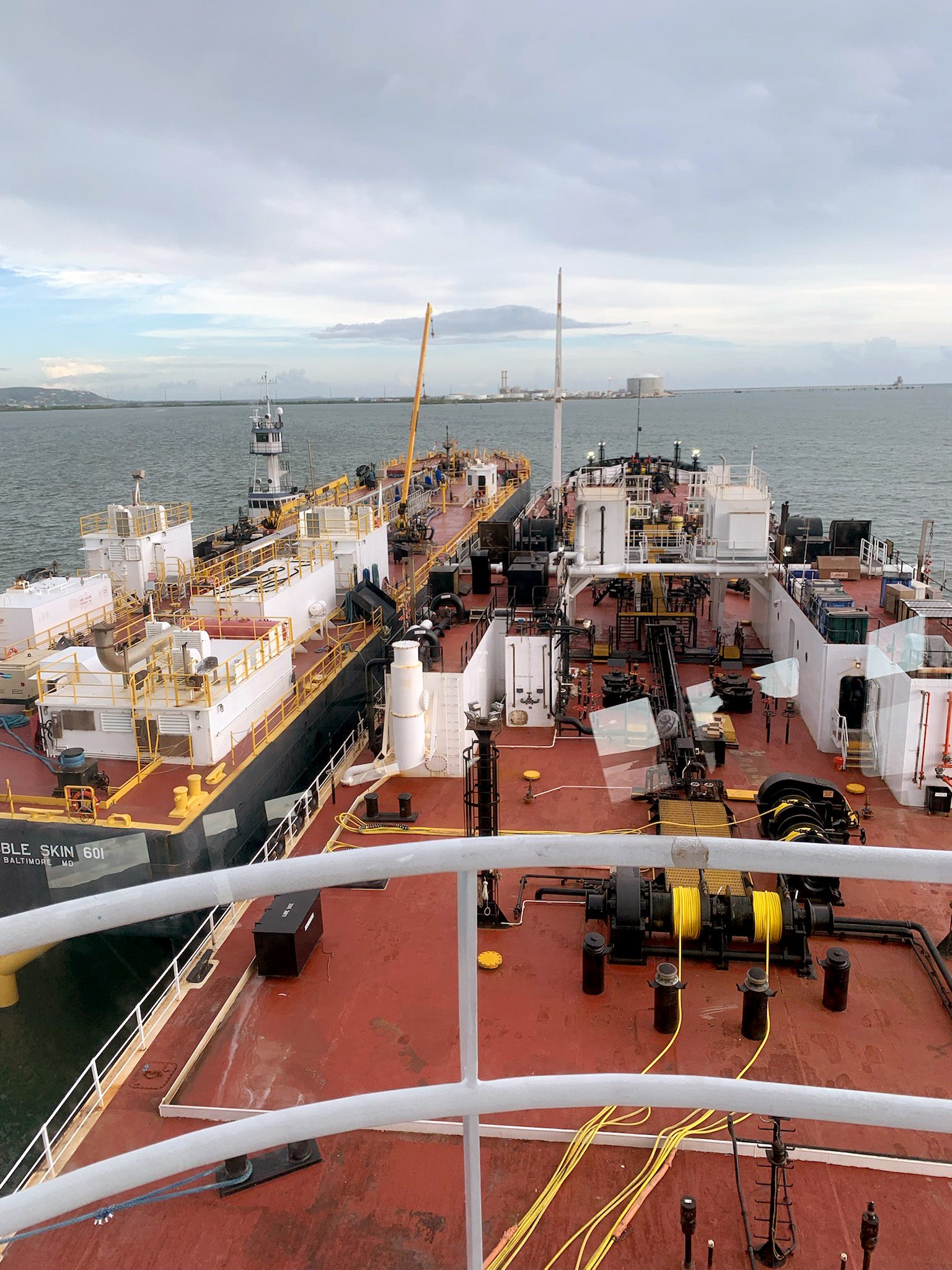
WASHINGTON — Navigistics Consulting, a Maritime industry consulting and market analysis firm, examined the real-world effects of the current (150-day) blanket Jones Act waiver – put in place by the Trump Administration – on the U.S. economy, energy security, and domestic maritime workforce.
The findings add new weight to growing calls from American mariners, labor groups, and maritime industry advocates urging the Administration to end the waiver and restore an America-first maritime policy that prioritizes U.S.-flagged vessels, U.S. carriers, and U.S. mariners.
Key findings from the report include:
- No Military Necessity – Of the 78 waiver voyages documented in the U.S. Maritime Administration’s (MARAD) June 1 report, not one met the only legal standard required to justify a Jones Act waiver. Every movement involved commercial-grade materials incompatible with DoD fuel requirements.
- U.S. Ships Were Available and Ready – American vessels were available for 86.5% of qualifying voyages. The waiver wasn’t a necessity, it was a choice that bypassed a ready and willing U.S. fleet.
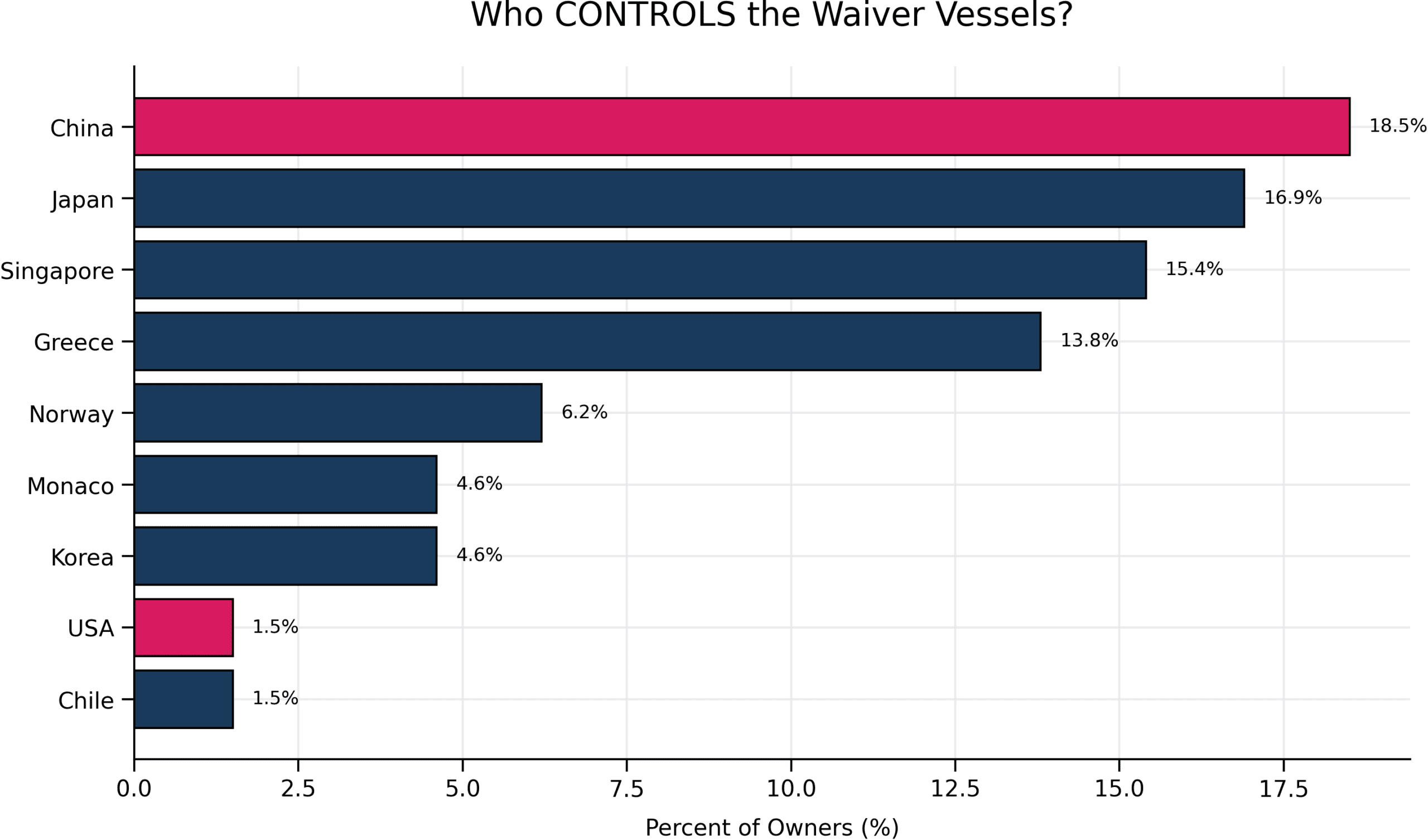
- The Waiver Is Handing Cargo to China – Foreign-flag vessels built in China (23.1%) and under Chinese control (18.5%) are now moving American domestic cargo that U.S. ships were available to carry – opening domestic shipping lanes to foreign competitors at a moment of heightened national security concern.
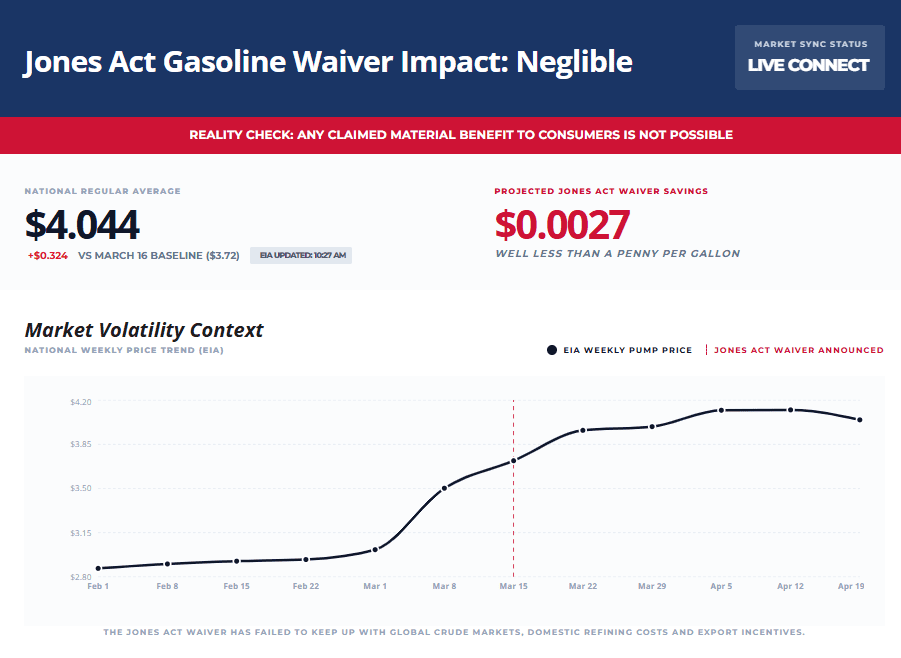
- Gas Prices Haven’t Moved – An 11-week analysis found no credible evidence of price relief at the pump. In several routes, Jones Act vessels were actually cheaper than their foreign-flag counterparts. Meanwhile, only ~6.5% of % of U.S. gasoline is transported on vessels. American consumers are paying the price for a policy that isn’t delivering what was promised.
- America Was Exporting Fuel During the Alleged Shortage – While the waiver was justified as a response to domestic supply strain, the U.S. exported approximately 731 million barrels of petroleum – with crude, diesel, and jet fuel all up from prior years. Refiners were making commercial choices, not responding to a crisis.
The report draws on MARAD data covering 659 commodities and 78 voyages during the waiver’s opening weeks.
“This analysis confirms what American mariners have been saying for months: this waiver is not delivering for consumers, it is not justified by military necessity, and its handing American cargo to foreign fleets at the expense of U.S. shipyards, U.S. carriers, and the American workforce we depend on for national security,” said Jennifer Carpenter, President of the American Maritime Partnership. “Every day this waiver continues, we are trading away decades of investment in our domestic maritime industrial base for a policy that the data shows isn’t achieving its stated purpose. It’s time to end the waver and recommit to the America first policy that puts the U.S. mariners and U.S. vessels first.”
With the waiver’s current extension set to expire on August 17, American mariners, labor groups, and maritime advocates are urging Congress and the Administration to let the waiver expire and ensure it is not extended again.
###
The American Maritime Partnership (AMP) is the voice of the U.S. domestic maritime industry. More than 45,000 American vessels built in American shipyards, crewed by American mariners, and owned by American companies, operate in our waters 24-hours a day, seven days a week. This commerce sustains nearly 650,000 American jobs, $41.6 billion in labor compensation, and more than $154.8 billion in annual economic output. Learn more by visiting www.americanmaritimepartnership.com.
Comments are closed.